Primary teeth, commonly called baby teeth or milk teeth, play an essential role in a child’s oral health. They help children chew food properly, speak clearly, and guide permanent teeth into their correct positions. Although these teeth naturally fall out as children grow, there are situations where a dentist recommends the extraction of primary teeth.
Understanding why and how primary teeth are extracted can help parents feel more confident about the process and support their child’s recovery.
What Is the Extraction of Primary Teeth?
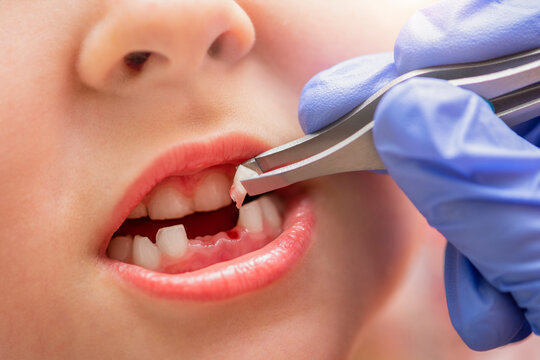
The extraction of primary teeth is a dental procedure in which a dentist removes a baby tooth from a child’s mouth. The procedure is usually quick and performed under local anesthesia to ensure the child feels little to no pain.
Dentists only recommend extraction when keeping the tooth could harm the child’s oral health.
Why Are Primary Teeth Extracted?
There are several reasons why a baby tooth may need to be removed.
1. Severe Tooth Decay
When cavities become too large to repair with a filling or crown, extraction may be the best solution to prevent infection.
2. Dental Infection
An infected tooth can cause pain, swelling, and damage to surrounding tissues. Removing the tooth helps stop the infection from spreading.
3. Trauma or Injury
A baby tooth that is cracked, broken, or knocked loose during an accident may require extraction if it cannot be saved.
4. Delayed Tooth Loss
Sometimes a baby tooth remains in place even after the permanent tooth begins erupting behind it. This can lead to crowding and alignment issues.
5. Orthodontic Treatment
Dentists or orthodontists may remove certain primary teeth to create space for permanent teeth or braces.
6. Gum Disease
Although uncommon in children, severe gum disease can loosen baby teeth and require extraction.
Signs Your Child May Need a Tooth Extraction
Parents should visit a dentist if they notice:
- Persistent tooth pain
- Swollen gums
- Facial swelling
- Loose tooth causing discomfort
- Large cavity
- Difficulty chewing
- Bad breath that doesn’t improve
- Pus around the tooth
Early dental evaluation prevents more serious complications.
Preparing for the Procedure
Preparation is simple and helps reduce anxiety.
The dentist will:
- Examine the tooth
- Take dental X-rays if needed
- Review the child’s medical history
- Explain the procedure to parents
- Discuss anesthesia options
Parents should reassure their child using calm, positive language.
Step-by-Step Extraction Procedure
The extraction process usually takes only a few minutes.
Step 1: Local Anesthesia
The dentist numbs the area around the tooth so the child doesn’t feel pain.
Step 2: Loosening the Tooth
Special dental instruments gently loosen the tooth from its socket.
Step 3: Removing the Tooth
Once loose enough, the dentist carefully removes it.
Step 4: Controlling Bleeding
A piece of sterile gauze is placed over the extraction site to help form a blood clot.
Step 5: Post-Procedure Instructions
Parents receive instructions for home care and pain management.
Is Tooth Extraction Painful?
Most children feel pressure rather than pain during the procedure because the area is numb.
After the anesthesia wears off, mild soreness is normal for one or two days. Over-the-counter pain medication recommended by the dentist usually provides enough relief.
Aftercare Following Primary Tooth Extraction
Good aftercare promotes faster healing.
Bite on Gauze
Keep the gauze in place for about 30–45 minutes.
Avoid Touching the Area
Children should avoid poking the extraction site with fingers or their tongue.
Eat Soft Foods
Choose foods like:
- Yogurt
- Applesauce
- Mashed potatoes
- Soup (lukewarm)
- Ice cream
- Smoothies
Avoid crunchy, spicy, or hard foods.
Drink Plenty of Water
Hydration supports healing.
Brush Carefully
Continue brushing but avoid the extraction site for the first day.
Foods to Avoid
For at least 24 hours, avoid:
- Chips
- Popcorn
- Nuts
- Hard candy
- Sticky sweets
- Hot drinks
- Carbonated beverages
These foods may disturb the blood clot.
Recovery Time
Most children recover quickly.
Typical healing timeline:
- First day: Mild bleeding and numbness
- Second day: Less discomfort
- Three to five days: Gum begins healing
- One to two weeks: Nearly complete healing
Children often return to normal activities the following day.
Possible Risks
Complications are rare but may include:
- Prolonged bleeding
- Infection
- Swelling
- Dry socket (rare in children)
- Temporary discomfort
Following the dentist’s instructions greatly reduces these risks.
When to Call the Dentist
Contact your dentist if your child experiences:
- Fever
- Heavy bleeding lasting several hours
- Severe pain
- Increasing swelling
- Bad taste or pus
- Difficulty swallowing
- Trouble breathing
Prompt treatment prevents complications.
Benefits of Extracting Primary Teeth
Timely extraction offers several benefits:
- Relieves pain
- Prevents infection
- Protects nearby teeth
- Creates room for permanent teeth
- Supports proper jaw development
- Improves oral health
Can Permanent Teeth Still Grow Normally?
Yes.
In most cases, permanent teeth erupt normally after the baby tooth is removed. However, if extraction occurs too early, the dentist may recommend a space maintainer to prevent neighboring teeth from shifting.
Preventing Future Tooth Extractions
Parents can reduce the chance of future dental problems by encouraging:
- Brushing twice daily
- Daily flossing
- Healthy eating habits
- Limiting sugary snacks
- Regular dental checkups
- Fluoride toothpaste
- Protective mouthguards during sports
Good oral hygiene is the best preventive measure.
Tips for Parents
Helping children stay calm makes the experience easier.
You can:
- Explain the visit positively.
- Avoid using scary words like “pain” or “needle.”
- Praise your child afterward.
- Offer soft favorite foods.
- Follow all aftercare instructions carefully.
Children usually recover faster when parents remain calm and supportive.
Conclusion
The extraction of primary teeth is a safe and common dental procedure that helps protect a child’s oral health when a baby tooth is severely damaged, infected, or interfering with normal tooth development. With proper dental care, gentle treatment, and good aftercare at home, most children recover quickly and comfortably.
Regular dental visits remain the best way to detect problems early and ensure healthy development of both primary and permanent teeth.
Frequently Asked Questions (FAQs)
1. What is the extraction of primary teeth?
It is the removal of a baby tooth by a dentist when it cannot be saved or is causing dental problems.
2. Is extracting a baby tooth painful?
No. Local anesthesia numbs the area, so children usually feel pressure rather than pain.
3. How long does the procedure take?
Most primary tooth extractions take about 10–20 minutes, depending on the tooth.
4. How long does healing take?
Most children heal within one to two weeks, with noticeable improvement after just a few days.
5. What foods can my child eat after extraction?
Soft foods such as yogurt, mashed potatoes, applesauce, smoothies, soup, scrambled eggs, and ice cream are good choices.
6. Can my child go to school the next day?
Yes. Most children can return to school the following day if they feel comfortable.
7. What if the bleeding doesn’t stop?
Apply clean gauze with gentle pressure for 30 minutes. If heavy bleeding continues, contact your dentist immediately.
8. Will removing a baby tooth affect permanent teeth?
Usually no. In some cases, a space maintainer may be needed if the tooth is removed too early.
9. Are antibiotics always needed after extraction?
No. Antibiotics are only prescribed if there is a significant infection or another medical reason.
10. How can I prevent my child from needing tooth extractions?
Encourage daily brushing and flossing, limit sugary foods and drinks, schedule regular dental checkups, and seek prompt treatment for cavities or dental injuries.