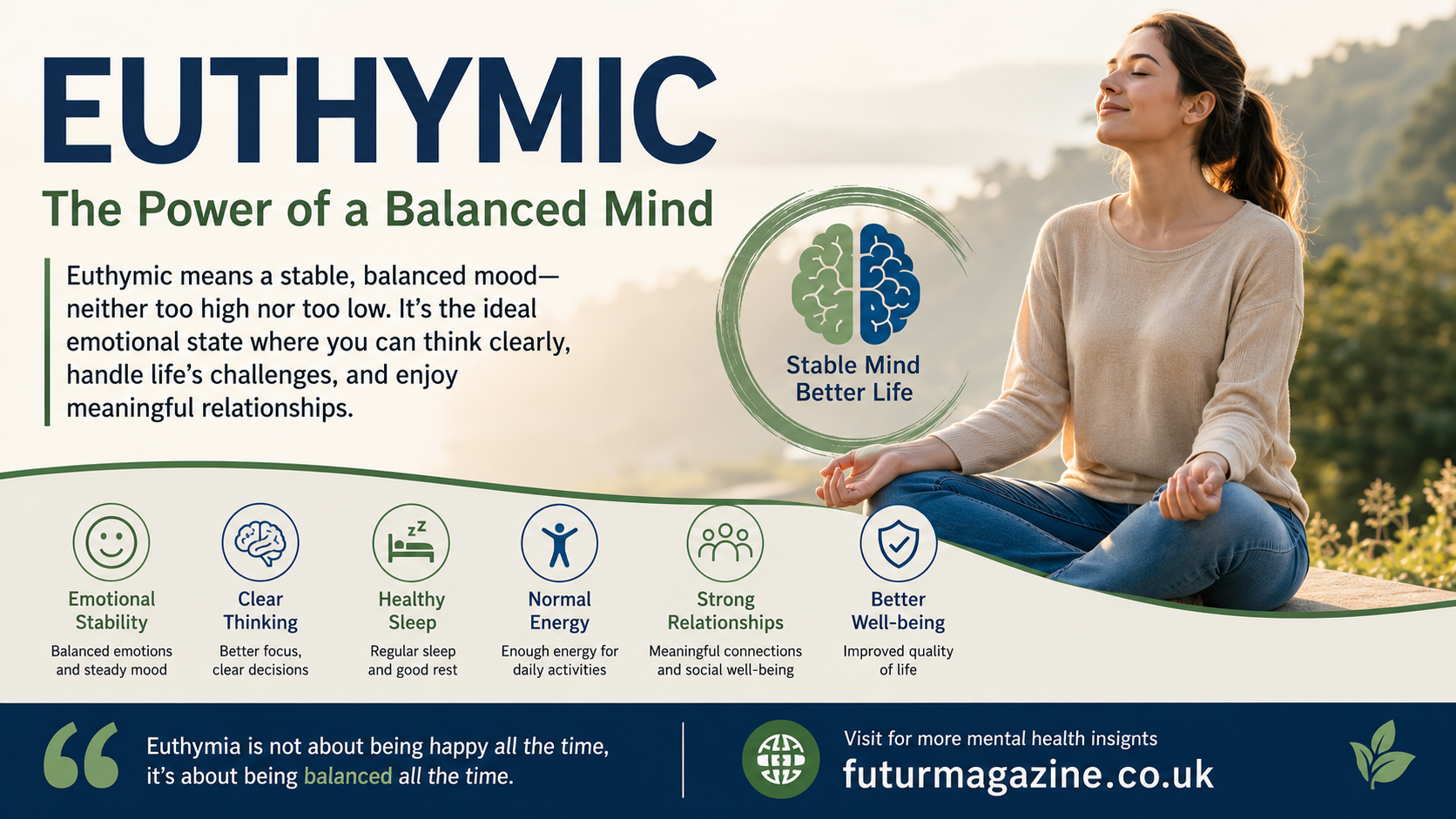
The term euthymic is commonly used in mental health to describe a person whose mood is stable and balanced. It does not mean someone is constantly happy or excited. Instead, it refers to a normal emotional state where a person experiences emotions appropriately without the extreme highs of mania or the deep lows of depression.
Mental health professionals often use the word euthymic when treating conditions such as bipolar disorder and depression. Reaching a euthymic state is often one of the primary goals of treatment because it allows individuals to function well in their daily lives, maintain healthy relationships, and improve their overall quality of life.
In this article, you’ll learn what euthymic means, how it differs from other mood states, its symptoms, causes, treatment approaches, and answers to frequently asked questions.
Table of Contents
- What Does Euthymic Mean?
- Why Is a Euthymic Mood Important?
- Characteristics of a Euthymic Mood
- Euthymic vs. Depression
- Euthymic vs. Mania
- Euthymic vs. Hypomania
- What Causes a Euthymic State?
- How Is Euthymia Maintained?
- Lifestyle Tips for Staying Euthymic
- When to Seek Professional Help
- FAQs
- Conclusion
What Does Euthymic Mean?
The word euthymic comes from the Greek words eu (good) and thymos (mood). In medicine and psychology, it describes a person whose mood is stable, appropriate, and neither depressed nor excessively elevated.
Someone who is euthymic can:
- Experience normal emotions
- Respond appropriately to life events
- Think clearly
- Sleep normally
- Perform daily responsibilities effectively
Being euthymic doesn’t mean life is free from stress or sadness. Instead, emotions remain balanced and manageable.
Why Is a Euthymic Mood Important?
A euthymic mood represents emotional stability. For people living with mood disorders, maintaining this state reduces the likelihood of future episodes of depression or mania.
Benefits include:
- Better concentration
- Improved work performance
- Healthier relationships
- Better sleep patterns
- Increased emotional resilience
- Lower risk of hospitalization
- Improved quality of life
Doctors often consider euthymia a sign that treatment is working effectively.
Characteristics of a Euthymic Mood
A euthymic person usually demonstrates several positive emotional and behavioral traits.
Emotional Stability
Mood remains consistent throughout the day without dramatic swings.
Balanced Reactions
The person responds appropriately to both positive and negative situations.
Good Energy Levels
Energy is neither unusually low nor excessively high.
Healthy Sleep
Sleep patterns remain regular without insomnia or excessive sleeping.
Clear Thinking
Decision-making and concentration are generally normal.
Normal Social Functioning
The individual enjoys relationships and daily activities without major emotional disruptions.
Euthymic vs. Depression
Depression involves persistent sadness and loss of interest, while euthymia reflects emotional balance.
| Depression | Euthymic |
| Persistent sadness | Stable mood |
| Low energy | Normal energy |
| Poor concentration | Clear thinking |
| Feelings of hopelessness | Balanced outlook |
| Sleep disturbances | Healthy sleep habits |
A euthymic person may still experience temporary sadness, but it doesn’t interfere with daily functioning.
Euthymic vs. Mania
Mania is characterized by extremely elevated mood and increased activity.
Mania Symptoms
- Excessive happiness or irritability
- Racing thoughts
- Decreased need for sleep
- Risky behavior
- Impulsive spending
- Overconfidence
Euthymic Mood
- Balanced emotions
- Normal confidence
- Regular sleep
- Logical decisions
- Appropriate energy
Euthymic vs. Hypomania
Hypomania is a milder version of mania.
People experiencing hypomania may:
- Feel unusually energetic
- Talk more than usual
- Become more productive
- Sleep less
While hypomania may seem positive initially, it can progress into mania or be followed by depression. A euthymic state avoids these extremes.
What Causes a Euthymic State?
Several factors contribute to achieving and maintaining euthymia.
Effective Treatment
For individuals with bipolar disorder or depression, proper treatment plays a significant role.
Medication
Mood stabilizers, antidepressants, or other prescribed medications can help regulate mood.
Therapy
Psychotherapy helps people understand emotional triggers and develop healthier coping strategies.
Healthy Lifestyle
Daily habits have a major impact on emotional well-being.
Examples include:
- Regular exercise
- Balanced nutrition
- Quality sleep
- Stress management
- Limiting alcohol and recreational drugs
How Is Euthymia Maintained?
Maintaining emotional stability requires ongoing attention.
Follow Treatment Plans
Take medications exactly as prescribed and attend follow-up appointments.
Identify Triggers
Common mood triggers include:
- Lack of sleep
- High stress
- Substance use
- Major life changes
- Poor medication adherence
Recognizing these early can help prevent mood episodes.
Build Strong Support Systems
Family, friends, and mental health professionals provide valuable emotional support.
Practice Stress Management
Helpful techniques include:
- Meditation
- Deep breathing
- Yoga
- Journaling
- Mindfulness
- Regular physical activity
Lifestyle Tips for Staying Euthymic
Small daily habits can make a significant difference.
Maintain a Routine
Going to bed and waking up at consistent times helps regulate mood.
Exercise Regularly
Physical activity releases chemicals that support emotional well-being.
Eat a Balanced Diet
Nutritious meals support brain health and stable energy levels.
Avoid Substance Abuse
Alcohol and drugs can trigger mood changes and interfere with treatment.
Stay Connected
Meaningful social relationships promote emotional resilience.
Monitor Mood Changes
Keeping a mood journal may help identify early warning signs before symptoms worsen.
Can Someone Without Mental Illness Be Euthymic?
Yes.
The term euthymic simply describes a normal emotional state. People without any diagnosed mental illness are typically considered euthymic most of the time.
Mental health professionals also use the term when documenting routine psychological evaluations.
When to Seek Professional Help
Seek medical advice if you experience:
- Persistent sadness lasting more than two weeks
- Extreme mood swings
- Thoughts of self-harm
- Loss of interest in daily activities
- Unusually high energy with risky behavior
- Severe anxiety affecting daily life
Early treatment often leads to better long-term outcomes.
Frequently Asked Questions (FAQs)
1. What does euthymic mean?
Euthymic means having a stable, balanced mood without symptoms of depression or mania.
2. Is euthymic the same as happy?
No. Happiness is an emotion, while euthymia refers to overall emotional stability. A euthymic person experiences a full range of normal emotions.
3. Is euthymia a medical diagnosis?
No. It is a clinical term describing a person’s current mood state rather than a mental disorder.
4. Can someone with bipolar disorder become euthymic?
Yes. Many people with bipolar disorder achieve long periods of euthymia through medication, therapy, and healthy lifestyle habits.
5. How long can a euthymic state last?
It varies from person to person. Some individuals remain euthymic for months or years with proper treatment and self-care.
6. What medications help maintain euthymia?
Doctors may prescribe mood stabilizers, antidepressants, or antipsychotic medications depending on the individual’s diagnosis. Medication should always be taken under medical supervision.
7. Is euthymia considered recovery?
Euthymia is often a sign of successful symptom management, but ongoing treatment may still be necessary to prevent future mood episodes.
8. Can stress disrupt a euthymic mood?
Yes. Significant stress, sleep deprivation, substance use, or stopping medication without medical advice can contribute to mood changes.
Conclusion
A euthymic mood represents emotional balance, stability, and healthy functioning. Rather than feeling constantly happy, a euthymic person experiences emotions in a normal and appropriate way without the extremes of depression or mania.
For individuals with mood disorders, achieving euthymia is often the primary treatment goal because it improves daily functioning, relationships, and overall well-being. Maintaining this state usually involves a combination of appropriate medical care, therapy, healthy habits, stress management, and strong social support.
Understanding the meaning of euthymia can help individuals recognize the importance of emotional stability and encourage timely support if mood changes begin to interfere with everyday life.