The mandibular condyle is one of the most important parts of the lower jaw. It plays a major role in speaking, chewing, swallowing, and opening or closing the mouth. Although it is small, problems affecting the mandibular condyle can cause pain, limited jaw movement, and difficulty eating.
In this guide, you’ll learn what the mandibular condyle is, how it works, common conditions affecting it, treatment options, and tips for keeping your jaw healthy.
What Is the Mandibular Condyle?
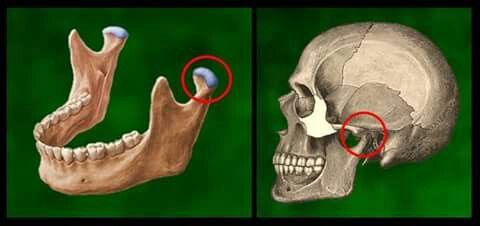
The mandibular condyle is the rounded upper end of the lower jaw (mandible). It connects the mandible to the skull through the temporomandibular joint (TMJ).
This joint acts like a hinge and a sliding joint, allowing smooth jaw movement. Every time you chew food, yawn, laugh, or talk, the mandibular condyle is working.
Anatomy of the Mandibular Condyle
The mandibular condyle consists of several important structures:
Condylar Head
The rounded top portion that fits into the socket of the temporal bone.
Condylar Neck
A narrow section below the head that supports the condyle.
Articular Cartilage
A smooth covering that reduces friction during jaw movement.
Temporomandibular Joint (TMJ)
The joint formed between the mandibular condyle and the temporal bone.
Together, these structures allow controlled and pain-free movement of the jaw.
Functions of the Mandibular Condyle
The mandibular condyle performs several essential functions.
Enables Jaw Movement
It allows the jaw to open, close, move side to side, and move forward.
Helps in Chewing
Proper movement of the condyle ensures food is crushed and ground efficiently.
Supports Speech
Speaking requires precise jaw movement, which depends on a healthy mandibular condyle.
Assists in Swallowing
The jaw must move correctly to support swallowing.
Maintains Facial Balance
The condyle helps maintain the shape and symmetry of the face.
Common Disorders of the Mandibular Condyle
Several conditions can affect the mandibular condyle.
Temporomandibular Joint Disorder (TMD)
TMD is one of the most common conditions involving the mandibular condyle.
Symptoms include:
- Jaw pain
- Clicking sounds
- Difficulty opening the mouth
- Headaches
- Ear pain
Condylar Fracture
A strong impact from sports injuries, falls, or car accidents may fracture the mandibular condyle.
Symptoms include:
- Swelling
- Pain
- Misaligned bite
- Difficulty moving the jaw
Osteoarthritis
Wear and tear over time may damage the condyle and joint cartilage.
Symptoms include:
- Joint stiffness
- Pain while chewing
- Grinding sounds
Rheumatoid Arthritis
Autoimmune diseases can also affect the mandibular condyle, causing inflammation and gradual joint damage.
Condylar Hyperplasia
This rare condition occurs when one condyle grows more than the other.
Signs include:
- Facial asymmetry
- Bite problems
- Jaw deviation
Condylar Hypoplasia
In this condition, the mandibular condyle develops poorly, often leading to facial imbalance and bite issues.
Causes of Mandibular Condyle Problems
Several factors can damage the mandibular condyle.
Common causes include:
- Trauma or injury
- Teeth grinding (bruxism)
- Arthritis
- Jaw infections
- Congenital abnormalities
- Poor bite alignment
- Chronic stress causing jaw clenching
Symptoms of Mandibular Condyle Disorders
Symptoms vary depending on the condition.
Common symptoms include:
- Jaw pain
- Clicking or popping sounds
- Limited mouth opening
- Jaw locking
- Facial swelling
- Difficulty chewing
- Headaches
- Earaches
- Uneven bite
- Pain while talking
Persistent symptoms should be evaluated by a dentist or oral and maxillofacial surgeon.
How Doctors Diagnose Mandibular Condyle Problems
Diagnosis usually begins with a physical examination.
Your healthcare provider may recommend:
Medical History
Questions about symptoms, injuries, and jaw habits.
Physical Examination
Checking jaw movement, tenderness, and joint sounds.
X-rays
Useful for identifying fractures and bone changes.
CT Scan
Provides detailed images of the mandibular condyle and surrounding bones.
MRI
Shows soft tissues such as the joint disc and cartilage.
Treatment Options
Treatment depends on the underlying problem.
Conservative Treatment
Many mild cases improve without surgery.
Options include:
- Soft food diet
- Ice or heat therapy
- Pain relievers
- Anti-inflammatory medications
- Physical therapy
- Jaw exercises
- Stress management
- Night guards for teeth grinding
Medications
Doctors may prescribe:
- NSAIDs
- Muscle relaxants
- Corticosteroid injections in selected cases
Surgery
Severe conditions may require surgery.
Common procedures include:
- Condylar fracture repair
- TMJ arthroscopy
- Joint reconstruction
- Total TMJ replacement (rare)
Recovery After Treatment
Recovery depends on the condition and treatment method.
Most patients recover well with:
- Following doctor’s instructions
- Completing physical therapy
- Eating soft foods initially
- Avoiding excessive jaw movement
- Practicing prescribed exercises
Healing from surgery may take several weeks to a few months.
Can Mandibular Condyle Problems Be Prevented?
Although not every condition can be prevented, these habits may reduce your risk:
- Wear mouthguards during contact sports.
- Avoid chewing hard objects.
- Treat teeth grinding early.
- Maintain good dental health.
- Manage stress.
- Visit your dentist regularly.
- Practice good posture to reduce jaw tension.
When Should You See a Doctor?
Seek medical attention if you experience:
- Severe jaw pain
- Jaw locking
- Difficulty eating
- Facial swelling
- Jaw injury
- Persistent clicking with pain
- Sudden bite changes
Early diagnosis often leads to better outcomes.
Conclusion
The mandibular condyle is a vital part of the jaw that allows smooth movement for chewing, speaking, and swallowing. Because it forms part of the temporomandibular joint, even small problems can significantly affect daily life.
Understanding the anatomy, symptoms, and treatment options can help you recognize issues early and seek appropriate care. With proper diagnosis and treatment, most mandibular condyle disorders can be managed successfully, allowing patients to return to normal activities with improved comfort and function.
Frequently Asked Questions (FAQs)
1. What is the mandibular condyle?
The mandibular condyle is the rounded upper end of the lower jaw that connects the jaw to the skull through the temporomandibular joint (TMJ).
2. What is the function of the mandibular condyle?
It allows jaw movements needed for chewing, speaking, swallowing, and opening or closing the mouth.
3. What causes pain in the mandibular condyle?
Pain may result from TMJ disorders, arthritis, injury, teeth grinding, infections, or jaw misalignment.
4. Can a mandibular condyle fracture heal without surgery?
Some minor fractures can heal with conservative treatment, while severe fractures may require surgery.
5. Is TMJ disorder the same as a mandibular condyle disorder?
Not exactly. TMJ disorder affects the jaw joint and surrounding tissues, while the mandibular condyle is one part of that joint that may be involved.
6. How is a mandibular condyle problem diagnosed?
Diagnosis may include a physical examination, X-rays, CT scans, MRI, and evaluation of jaw movement.
7. Can stress affect the mandibular condyle?
Yes. Stress often leads to jaw clenching or teeth grinding, which places extra pressure on the mandibular condyle.
8. Which doctor treats mandibular condyle disorders?
Dentists, oral and maxillofacial surgeons, TMJ specialists, and sometimes orthodontists treat mandibular condyle conditions.
9. Can mandibular condyle disorders be prevented?
Maintaining good oral health, avoiding jaw injuries, managing stress, and treating teeth grinding early can help reduce the risk.
10. Is surgery always necessary?
No. Most mandibular condyle disorders improve with non-surgical treatments such as medication, physical therapy, lifestyle changes, and dental appliances.