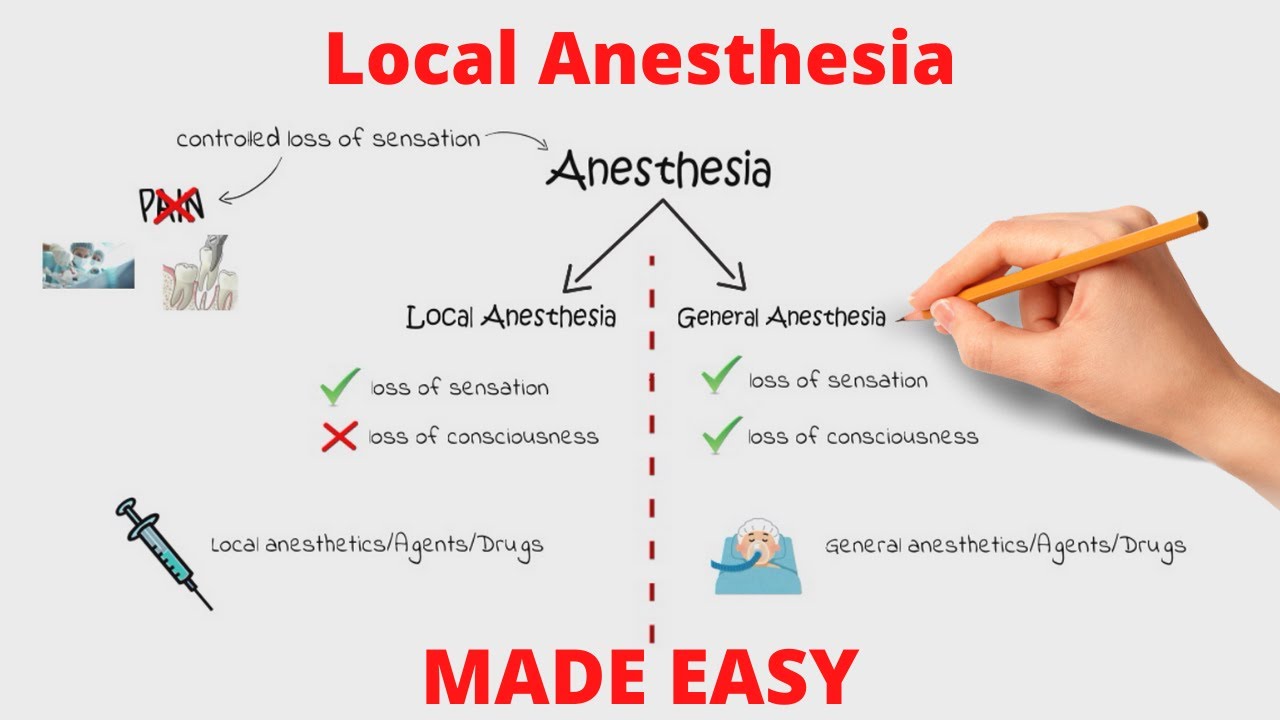
Local anesthetics are medications that temporarily block pain in a specific area of the body without causing unconsciousness. They work by preventing nerves from sending pain signals to the brain. As a result, medical or dental procedures can be performed comfortably while you remain awake.
Local anesthetics are commonly used in dentistry, minor surgeries, skin procedures, stitches, biopsies, and certain pain management treatments.
How Do Local Anesthetics Work?
Nerves communicate with the brain through electrical signals. Local anesthetics block sodium channels in nerve cells, preventing these signals from traveling. This temporarily numbs the targeted area, allowing procedures to be completed with little or no pain.
Once the medication wears off, normal sensation gradually returns.
Common Types of Local Anesthetics
Several local anesthetics are used in healthcare. The choice depends on the procedure and how long pain relief is needed.
Lidocaine
Lidocaine is the most commonly used local anesthetic. It works quickly and provides numbness for about one to two hours. Dentists, emergency doctors, and surgeons frequently use it.
Bupivacaine
Bupivacaine lasts much longer than lidocaine, making it ideal for surgeries and procedures that require extended pain control.
Mepivacaine
Mepivacaine has a fast onset and is often used in dental procedures, especially for patients who should avoid certain additives.
Articaine
Articaine is widely used in modern dentistry because it spreads effectively through oral tissues and provides excellent anesthesia.
Prilocaine
Prilocaine is another dental anesthetic known for causing less blood vessel constriction in some cases.
Different Forms of Local Anesthetics
Local anesthetics are available in several forms, including:
- Injectable solutions
- Topical creams
- Gels
- Sprays
- Ointments
- Eye drops
- Patches
The form used depends on the treatment being performed.
Common Uses of Local Anesthetics
Local anesthetics are used in many healthcare settings.
Dental Procedures
Dentists use them during:
- Tooth fillings
- Tooth extractions
- Root canal treatment
- Gum surgery
- Dental implants
Minor Surgical Procedures
Doctors commonly use local anesthetics for:
- Removing cysts
- Skin biopsies
- Mole removal
- Stitching cuts
- Wart removal
Dermatology
Skin specialists use topical anesthetics before:
- Laser treatments
- Chemical peels
- Cosmetic injections
- Tattoo removal
Pain Management
Some injections containing local anesthetics help reduce chronic pain by blocking irritated nerves.
Advantages of Local Anesthetics
Local anesthetics provide several important benefits:
- Effective pain control
- Quick onset of action
- Patient remains awake
- Faster recovery than general anesthesia
- Lower risk of complications
- Suitable for outpatient procedures
- Minimal effect on the rest of the body
How Long Do Local Anesthetics Last?
The duration depends on the medication used and the treatment area.
| Local Anesthetic | Typical Duration |
| Lidocaine | 1–2 hours |
| Articaine | 1–3 hours |
| Mepivacaine | 2–3 hours |
| Prilocaine | 2–4 hours |
| Bupivacaine | 4–8 hours |
In some cases, a medicine called epinephrine is added to help the anesthetic last longer.
Possible Side Effects
Most people tolerate local anesthetics very well. However, mild side effects can occur.
Common side effects include:
- Temporary numbness
- Tingling
- Mild swelling
- Bruising at the injection site
- Temporary difficulty speaking or chewing after dental treatment
These effects usually disappear within a few hours.
Rare Complications
Serious reactions are uncommon but may include:
- Allergic reactions
- Dizziness
- Ringing in the ears
- Irregular heartbeat
- Seizures (very rare)
- Difficulty breathing
Seek immediate medical attention if severe symptoms occur after receiving a local anesthetic.
Who Should Be Careful?
Although local anesthetics are safe for most people, extra care may be needed for individuals with:
- Severe liver disease
- Certain heart conditions
- Known allergies to anesthetic medications
- Pregnancy (depending on the medication)
- Certain neurological disorders
Always tell your healthcare provider about your medical history before treatment.
Local Anesthesia vs. General Anesthesia
| Local Anesthesia | General Anesthesia |
| Numbs one area | Affects the whole body |
| Patient stays awake | Patient is unconscious |
| Faster recovery | Longer recovery time |
| Lower risk | Higher risk |
| Used for minor procedures | Used for major surgeries |
Safety Tips After Receiving Local Anesthetics
To avoid injury while the area is numb:
- Do not chew until feeling returns.
- Avoid hot foods and drinks.
- Do not bite your lips, tongue, or cheeks.
- Follow your dentist’s or doctor’s instructions.
- Contact your provider if numbness lasts unusually long.
Frequently Asked Questions (FAQs)
1. What are local anesthetics?
Local anesthetics are medications that temporarily numb a specific part of the body by blocking pain signals from nerves.
2. Are local anesthetics safe?
Yes. They are considered very safe when administered by trained healthcare professionals.
3. How long does numbness last?
Most local anesthetics last between one and eight hours, depending on the medication and dosage.
4. Can I drive after receiving a local anesthetic?
In many cases, yes, especially if only a local anesthetic was used. However, if you received sedatives as well, you should not drive.
5. Do local anesthetics make you sleep?
No. They numb only the treated area, and you remain awake during the procedure.
6. Are local anesthetics used in dentistry?
Yes. Dentists routinely use local anesthetics for fillings, extractions, root canals, implants, and gum treatments.
7. Can I eat after dental anesthesia?
Wait until the numbness wears off to avoid accidentally biting your tongue, lips, or cheeks.
8. Can local anesthetics cause allergies?
True allergic reactions are rare but possible. Inform your healthcare provider if you’ve had a reaction to anesthetics in the past.
9. What happens if numbness lasts too long?
Mild variations are normal, but if numbness persists much longer than expected or is accompanied by severe symptoms, contact your healthcare provider.
10. What is the most commonly used local anesthetic?
Lidocaine is one of the most widely used local anesthetics because it acts quickly and has a strong safety record.
Conclusion
Local anesthetics play an essential role in modern medicine and dentistry by allowing procedures to be performed with minimal pain while patients remain awake. They are fast-acting, effective, and generally very safe when used correctly. Understanding how local anesthetics work, their common types, potential side effects, and aftercare can help you feel more confident before any medical or dental procedure. If you have concerns about local anesthesia or your medical history, discuss them with your healthcare provider before treatment.