
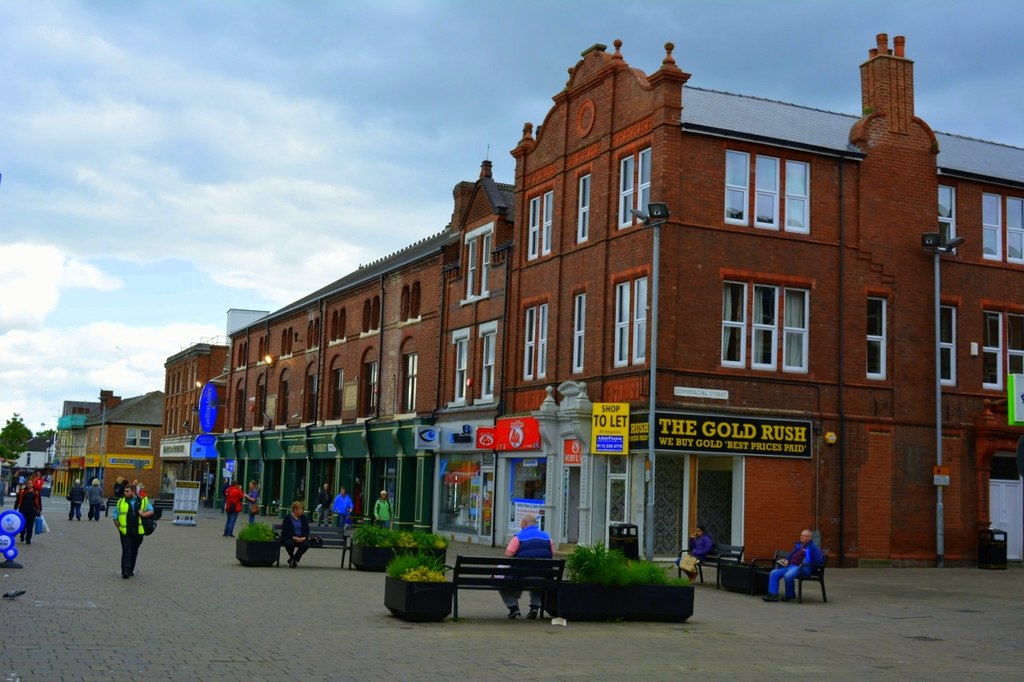
Castleford is a historic market town located in West Yorkshire, England. Known for its Roman heritage, industrial past, and passionate rugby league culture, Castleford has developed into a vibrant community that blends history with modern living. While many people recognize the town because of the famous Castleford Tigers rugby team, there is much more to discover beneath the surface.
From ancient Roman settlements and industrial landmarks to nature reserves and modern shopping destinations, Castleford offers something for visitors, families, history lovers, and residents alike. Its convenient location near Leeds and Wakefield also makes it an attractive place to live and work.
Whether you are planning a visit, researching the town’s history, or considering moving to the area, this guide covers everything you need to know about Castleford. You’ll learn about its fascinating past, popular attractions, local economy, education, transport links, and future developments.
Table of Contents
- Where Is Castleford?
- History of Castleford
- Roman Heritage
- Industrial Development
- Why Castleford Is Famous
- Top Attractions in Castleford
- Sports and Rugby Culture
- Shopping and Entertainment
- Education and Schools
- Economy and Employment
- Transport Connections
- Living in Castleford
- Future Regeneration Projects
- Frequently Asked Questions
- Conclusion
Where Is Castleford?
Castleford is situated in West Yorkshire, England, within the City of Wakefield metropolitan borough. The town lies along the River Aire and enjoys excellent transport connections to major cities across northern England.
Castleford is located approximately:
- 10 miles from Leeds
- 8 miles from Wakefield
- 20 miles from York
- 35 miles from Manchester
Its central location has played an important role in its development throughout history and continues to attract businesses and residents today.
History of Castleford
Castleford has a history stretching back nearly two thousand years. Archaeological evidence shows that the area was an important settlement during Roman Britain.
Throughout the centuries, the town evolved from a Roman crossing point into a thriving market town and later became a significant industrial center. Coal mining, glass production, pottery manufacturing, and chemical industries helped shape Castleford’s economy during the Industrial Revolution.
Although many traditional industries declined during the twentieth century, the town successfully adapted through regeneration projects and economic diversification.
Roman Heritage
One of Castleford’s most fascinating features is its Roman history.
The Romans established a settlement called Lagentium at Castleford because of its strategic position near a crossing point on the River Aire. The location became an important military and trading center.
Archaeologists have uncovered numerous Roman artifacts including:
- Coins
- Pottery
- Roads
- Buildings
- Military equipment
Today, these discoveries help visitors understand Castleford’s importance during Roman Britain and provide valuable insights into daily life nearly 2,000 years ago.
Industrial Development
Like many Yorkshire towns, Castleford experienced significant growth during the Industrial Revolution.
Several industries drove this expansion:
Coal Mining
Coal mining became one of the town’s largest employers. Mines throughout the region provided jobs for generations of local families.
Glass Manufacturing
Castleford earned a reputation for glass production, supplying products across the country.
Pottery Industry
Local pottery works contributed significantly to the economy and helped establish Castleford as a manufacturing center.
Transportation
The development of canals and railways improved transportation, allowing goods to move efficiently throughout Britain.
These industries transformed Castleford into a thriving industrial town.
Why Castleford Is Famous
Castleford is known for several important reasons.
Rugby League
The town’s strongest modern identity comes from rugby league and the success of the Castleford Tigers.
Roman History
Its Roman heritage attracts historians, researchers, and tourists interested in Britain’s ancient past.
Henry Moore
World-famous sculptor Henry Moore was born in Castleford in 1898. His work remains influential in modern art worldwide.
Industrial Heritage
Castleford played a major role in Britain’s industrial development through mining and manufacturing.
Top Attractions in Castleford
Visitors can enjoy a wide variety of attractions throughout the town.
Castleford Museum
This museum showcases local history through exhibits featuring Roman artifacts, industrial heritage, and community stories.
Queen’s Mill
Queen’s Mill is one of the largest surviving stone flour mills in the world. It provides a fascinating look at traditional milling techniques and industrial history.
Fairburn Ings Nature Reserve
Located close to Castleford, Fairburn Ings is a popular destination for birdwatching, photography, and outdoor recreation.
Visitors can enjoy:
- Walking trails
- Wildlife observation
- Family activities
- Scenic views
Xscape Yorkshire
One of the region’s most popular entertainment destinations, Xscape offers:
- Indoor skiing
- Snowboarding
- Cinema facilities
- Restaurants
- Adventure activities
Sports and Rugby Culture
Few towns in England are as closely associated with rugby league as Castleford.
Castleford Tigers
Founded in 1926, Castleford Tigers have become one of the most recognized rugby league clubs in the country.
The team enjoys strong local support and plays an important role in community life.
Community Engagement
Rugby league contributes to:
- Youth sports programs
- Community events
- Local pride
- Economic activity
Match days create an exciting atmosphere throughout the town.
Shopping and Entertainment
Castleford offers excellent shopping opportunities for residents and visitors.
Junction 32 Outlet Shopping Village
This retail destination features discounted products from major brands and attracts shoppers from across Yorkshire.
Popular categories include:
- Fashion
- Sportswear
- Home goods
- Accessories
Local Markets
Traditional markets continue to play an important role in the local economy and provide opportunities to support independent businesses.
Entertainment Options
Residents can enjoy:
- Cinemas
- Bowling alleys
- Restaurants
- Cafes
- Seasonal festivals
Education and Schools
Castleford offers a variety of educational opportunities for students of all ages.
The town includes:
- Primary schools
- Secondary schools
- Special education facilities
- Further education opportunities
Nearby colleges and universities in Leeds and Wakefield provide additional options for higher education.
Strong transport connections make commuting to educational institutions convenient.
Economy and Employment
The economy of Castleford has changed significantly over time.
Traditional Industries
Historically, employment was concentrated in:
- Coal mining
- Glass manufacturing
- Pottery production
- Chemical works
Modern Economy
Today, major employment sectors include:
- Retail
- Logistics
- Healthcare
- Education
- Construction
- Professional services
The town’s strategic location near major road networks continues to attract businesses and investment.
Transport Connections
One of Castleford’s biggest advantages is its excellent transport infrastructure.
Road Network
The town benefits from access to:
- M62 Motorway
- A1(M)
- A639
- Regional road networks
Rail Services
Castleford Railway Station connects residents to major destinations including:
- Leeds
- Wakefield
- York
- Sheffield
Bus Services
Comprehensive bus routes link Castleford with surrounding communities and employment centers.
Living in Castleford
Many people choose Castleford because it offers a balance between affordability and convenience.
Housing Options
Available properties include:
- Traditional terraced homes
- Semi-detached houses
- Modern developments
- Apartments
Community Spirit
Residents often praise the town’s:
- Friendly atmosphere
- Strong local identity
- Family-oriented environment
- Community events
Quality of Life
Benefits of living in Castleford include:
- Good transport links
- Access to green spaces
- Leisure facilities
- Affordable housing
- Employment opportunities
Future Regeneration Projects
Castleford continues to invest in its future through regeneration and development initiatives.
Key areas of focus include:
- Town centre improvements
- Infrastructure upgrades
- Housing developments
- Business growth
- Environmental enhancements
These projects aim to strengthen the local economy while preserving the town’s unique character and heritage.
Frequently Asked Questions
What is Castleford famous for?
Castleford is famous for rugby league, Roman heritage, industrial history, and being the birthplace of sculptor Henry Moore.
Is Castleford a good place to live?
Yes. Many residents appreciate its affordable housing, strong community spirit, transport links, and access to nearby cities.
How old is Castleford?
Castleford’s recorded history dates back nearly 2,000 years to the Roman settlement of Lagentium.
What attractions are popular in Castleford?
Popular attractions include Castleford Museum, Queen’s Mill, Fairburn Ings Nature Reserve, Junction 32, and Xscape Yorkshire.
How far is Castleford from Leeds?
Castleford is approximately 10 miles southeast of Leeds and can be reached easily by road or rail.
Does Castleford have a rugby team?
Yes. Castleford Tigers is one of England’s best-known rugby league clubs and has a passionate local following.
Conclusion
Castleford is a town with a remarkable story. From its origins as a Roman settlement to its rise as an industrial powerhouse and its modern role as a thriving Yorkshire community, Castleford continues to evolve while preserving its rich heritage.
Visitors can explore historical sites, enjoy outdoor attractions, experience the excitement of rugby league, and discover a welcoming local culture. Residents benefit from affordable housing, excellent transport connections, and ongoing investment in the town’s future.
Whether you are visiting for a day, researching local history, or considering a move, Castleford offers a unique combination of heritage, opportunity, and community spirit that makes it one of West Yorkshire’s most interesting towns.