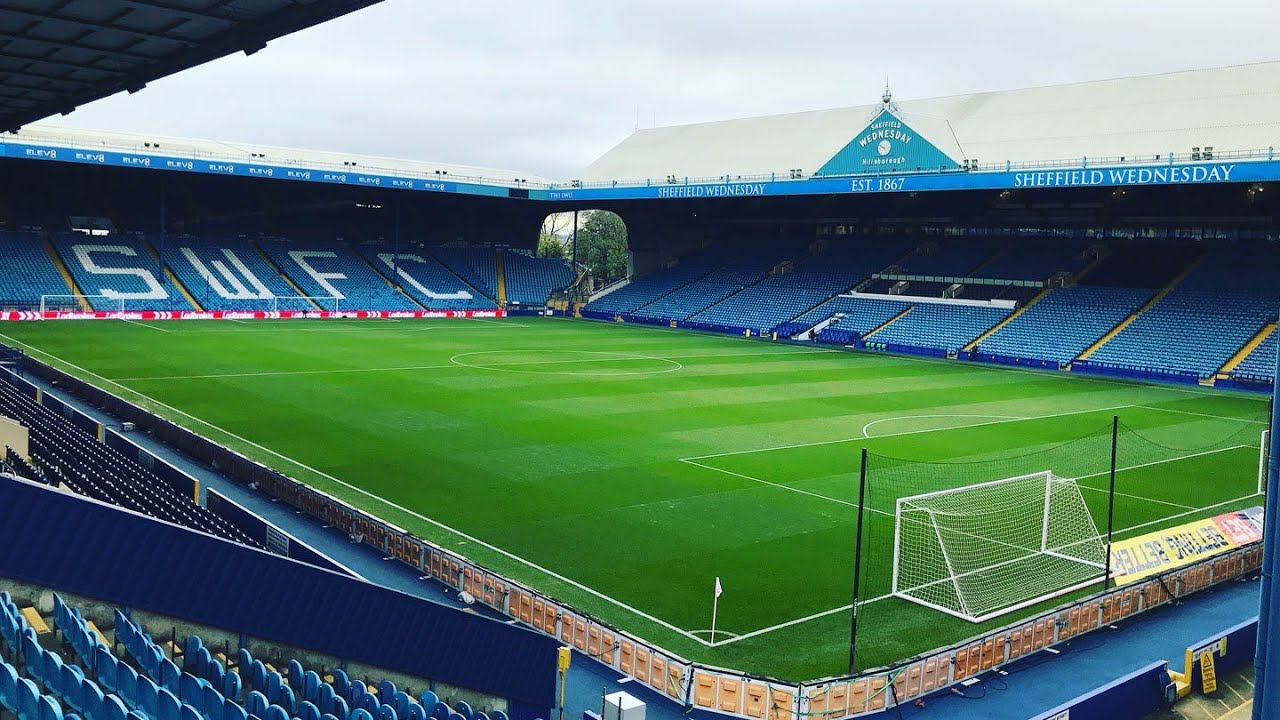
Hillsborough Stadium is one of the most famous football stadiums in England. Located in Sheffield, South Yorkshire, it has served as the home of Sheffield Wednesday Football Club since 1899. Over the years, the stadium has become a symbol of English football history, attracting supporters, tourists, and sports enthusiasts from around the world.
Known for its traditional architecture, passionate atmosphere, and rich heritage, Hillsborough Stadium has hosted countless memorable matches. From domestic league games and FA Cup semi-finals to international tournaments, the venue has played an important role in the development of football in England.
The stadium is also remembered for significant moments that shaped football safety standards across the country. Today, Hillsborough combines historical importance with modern facilities, making it a must-visit destination for football fans.
In this guide, we will explore the history, design, capacity, famous events, facilities, visitor experience, and future of Hillsborough Stadium.
Table of Contents
- What Is Hillsborough Stadium?
- History of Hillsborough Stadium
- Location and Accessibility
- Stadium Capacity and Design
- The Four Main Stands
- Famous Matches and Events
- The Hillsborough Disaster
- Modern Facilities
- Matchday Experience
- Stadium Tours
- Importance in English Football
- Future Development Plans
- Visitor Tips
- FAQ
- Conclusion
What Is Hillsborough Stadium?
Hillsborough Stadium is a professional football stadium situated in Sheffield, England. It is the home ground of Sheffield Wednesday FC, one of the oldest football clubs in the world.
The stadium opened in 1899 and has remained a central part of the city’s sporting culture ever since. With a seating capacity of approximately 34,000 spectators, Hillsborough is among the largest football stadiums outside the English Premier League.
Key facts include:
- Opened in 1899
- Located in Sheffield, South Yorkshire
- Home of Sheffield Wednesday FC
- Capacity of around 34,000
- Hosted major domestic and international matches
Its long-standing reputation makes it one of the most respected football grounds in the United Kingdom.
History of Hillsborough Stadium
Early Development
Before moving to Hillsborough, Sheffield Wednesday played at Olive Grove. As football grew in popularity during the late nineteenth century, the club required a larger and more modern venue.
The Hillsborough site was chosen because it provided enough space for future expansion. The first match at the stadium was played in September 1899.
Expansion Through the Years
Throughout the twentieth century, the stadium underwent several renovations and expansions.
Major developments included:
- Construction of new stands
- Installation of floodlights
- Improved spectator facilities
- Increased seating capacity
- Enhanced safety measures
These improvements helped Hillsborough become one of England’s premier football venues.
Record Attendance
One of the highest attendances recorded at Hillsborough occurred in 1934 when more than 72,000 spectators attended an FA Cup match.
This record demonstrates the stadium’s popularity during football’s early golden years.
Location and Accessibility
Hillsborough Stadium is located roughly three miles northwest of Sheffield city centre.
By Car
The stadium can be reached easily through major road networks connecting Sheffield with other parts of England.
By Public Transport
Public transport options include:
- Sheffield Supertram services
- Local bus routes
- National rail connections via Sheffield Station
Many supporters prefer using the tram due to its convenience on matchdays.
Walking and Cycling
For local residents, walking and cycling are practical ways to reach the stadium.
Stadium Capacity and Design
The current capacity of Hillsborough Stadium is approximately 34,000 spectators.
The stadium successfully combines modern requirements with traditional football architecture.
Features include:
- Comfortable seating areas
- Executive boxes
- Hospitality suites
- Media facilities
- Fan amenities
Despite modern upgrades, Hillsborough retains much of its historic character.
The Four Main Stands
North Stand
The North Stand offers excellent views of the pitch and accommodates a significant number of supporters.
Features include:
- Modern seating
- Good sightlines
- Family-friendly sections
South Stand
The South Stand is one of the stadium’s most recognizable features.
It contains:
- Hospitality lounges
- Corporate facilities
- Executive seating
Its classic design is admired by football fans across the country.
Kop Stand
The Kop is widely considered the heart of the stadium atmosphere.
Passionate supporters gather here to:
- Sing club songs
- Display banners
- Create a lively atmosphere
Many fans believe the Kop provides the most authentic matchday experience.
West Stand
Traditionally used for away supporters, the West Stand has hosted visiting fans for decades.
It remains an important part of the stadium’s overall layout.
Famous Matches and Events
FA Cup Semi-Finals
For many years, Hillsborough was one of the preferred venues for FA Cup semi-finals.
Its central location and large capacity made it ideal for major fixtures.
International Football
The stadium has hosted several international matches, helping build its reputation beyond club football.
UEFA Euro 1996
One of Hillsborough’s proudest moments came when it was selected as a host venue for UEFA Euro 1996.
The tournament brought international attention to Sheffield and showcased the stadium to football fans across Europe.
The Hillsborough Disaster
The tragic events of April 15, 1989, remain an important part of the stadium’s history.
During an FA Cup semi-final between Liverpool and Nottingham Forest, a crowd crush resulted in the deaths of 97 Liverpool supporters.
Lasting Impact
The disaster led to major reforms in football safety, including:
- All-seater stadiums
- Improved crowd management
- Enhanced emergency planning
- Better stadium design standards
These changes transformed football safety throughout the United Kingdom and beyond.
Modern Facilities
Today, Hillsborough Stadium offers a range of modern facilities.
These include:
- Hospitality suites
- Corporate boxes
- Food and beverage outlets
- Accessible seating
- Media facilities
- Modern restroom amenities
These improvements ensure visitors enjoy a comfortable experience while preserving the stadium’s historic appeal.
Matchday Experience
Attending a match at Hillsborough is a memorable experience.
Atmosphere
The stadium is known for:
- Passionate supporters
- Traditional football culture
- Energetic crowd participation
The atmosphere is especially impressive during important league matches and local rivalries.
Food and Refreshments
Visitors can purchase:
- Burgers
- Hot dogs
- Traditional pies
- Snacks
- Soft drinks
These refreshments add to the authentic football experience.
Family-Friendly Environment
Families are welcomed with:
- Designated seating areas
- Child-friendly facilities
- Accessible services
This makes Hillsborough suitable for supporters of all ages.
Stadium Tours
Football fans can often explore Hillsborough through organized stadium tours.
Typical tour highlights include:
- Dressing rooms
- Pitchside areas
- Hospitality lounges
- Press facilities
- Club history displays
These tours offer valuable insights into the daily operations of a professional football club.
Importance in English Football
Hillsborough Stadium occupies a special place in English football history.
Reasons include:
Historical Significance
The stadium has hosted football for more than 125 years.
Architectural Heritage
Many traditional design features have been preserved despite modernization efforts.
Cultural Impact
Generations of supporters have created lasting memories at Hillsborough, making it one of England’s most beloved football venues.
Future Development Plans
Like many historic stadiums, Hillsborough continues to evolve.
Potential future developments include:
- Improved accessibility
- Enhanced hospitality facilities
- Better fan experiences
- Sustainability initiatives
- Digital technology upgrades
The goal is to modernize the venue while maintaining its unique character.
Visitor Tips
If you plan to visit Hillsborough Stadium, keep these tips in mind:
- Arrive early to avoid crowds.
- Use public transport whenever possible.
- Check match schedules before traveling.
- Explore the surrounding Hillsborough area.
- Dress appropriately for changing weather conditions.
These simple steps can help ensure a smooth and enjoyable visit.
Frequently Asked Questions
Where is Hillsborough Stadium located?
Hillsborough Stadium is located in Sheffield, South Yorkshire, England.
Which club plays at Hillsborough Stadium?
Sheffield Wednesday Football Club has played there since 1899.
What is the capacity of Hillsborough Stadium?
The stadium holds approximately 34,000 spectators.
Can visitors take stadium tours?
Yes, tours are available periodically and provide access to key areas of the stadium.
Why is Hillsborough Stadium famous?
It is famous for its football history, major sporting events, UEFA Euro 1996 matches, and its association with Sheffield Wednesday FC.
When was Hillsborough Stadium built?
The stadium officially opened in 1899.
Has Hillsborough hosted international matches?
Yes, it has hosted several international football fixtures and major tournaments.
Conclusion
Hillsborough Stadium remains one of the most historic and respected football venues in England. For more than a century, it has been home to Sheffield Wednesday FC and has hosted countless memorable matches that have shaped English football. Its rich history, passionate atmosphere, distinctive architecture, and cultural importance continue to attract football fans from around the world.
Whether you are interested in football history, planning a stadium visit, or simply learning more about iconic sporting venues, Hillsborough Stadium offers a fascinating glimpse into the traditions and evolution of the beautiful game. As modernization continues, the stadium remains a powerful symbol of football heritage while looking confidently toward the future.